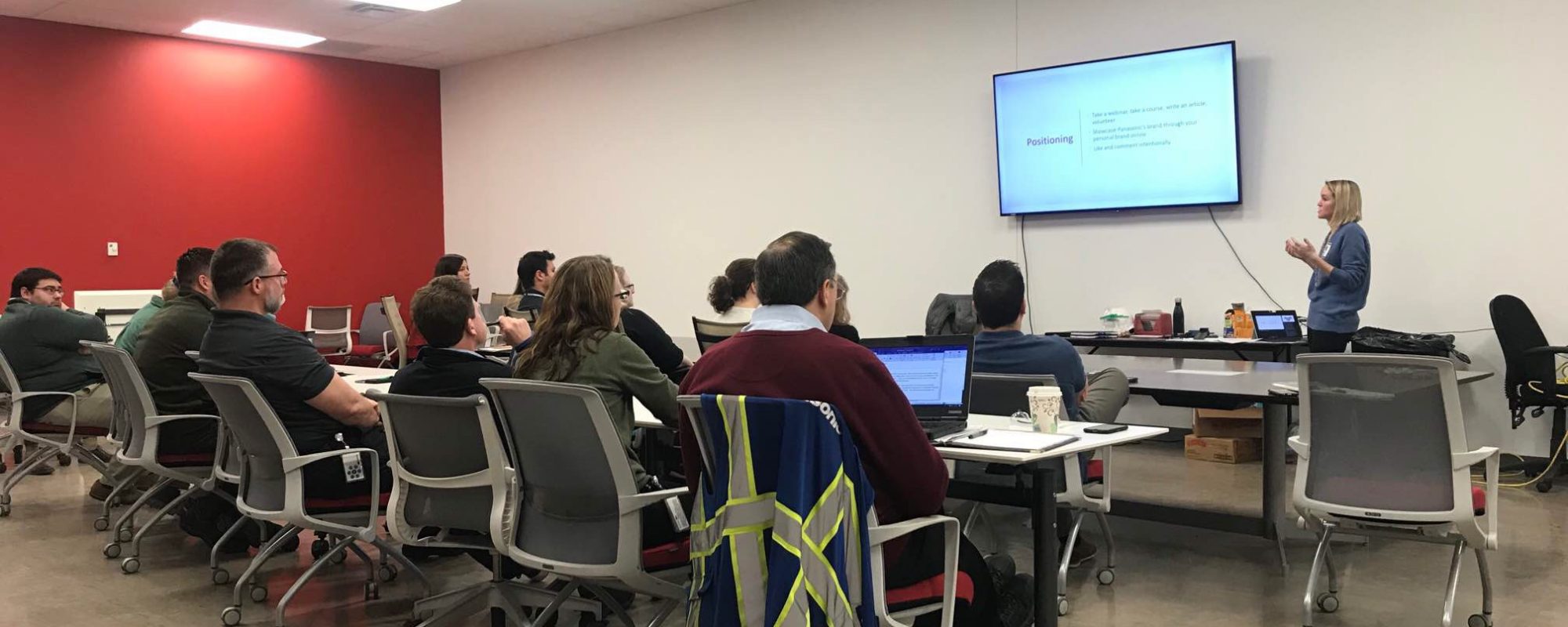
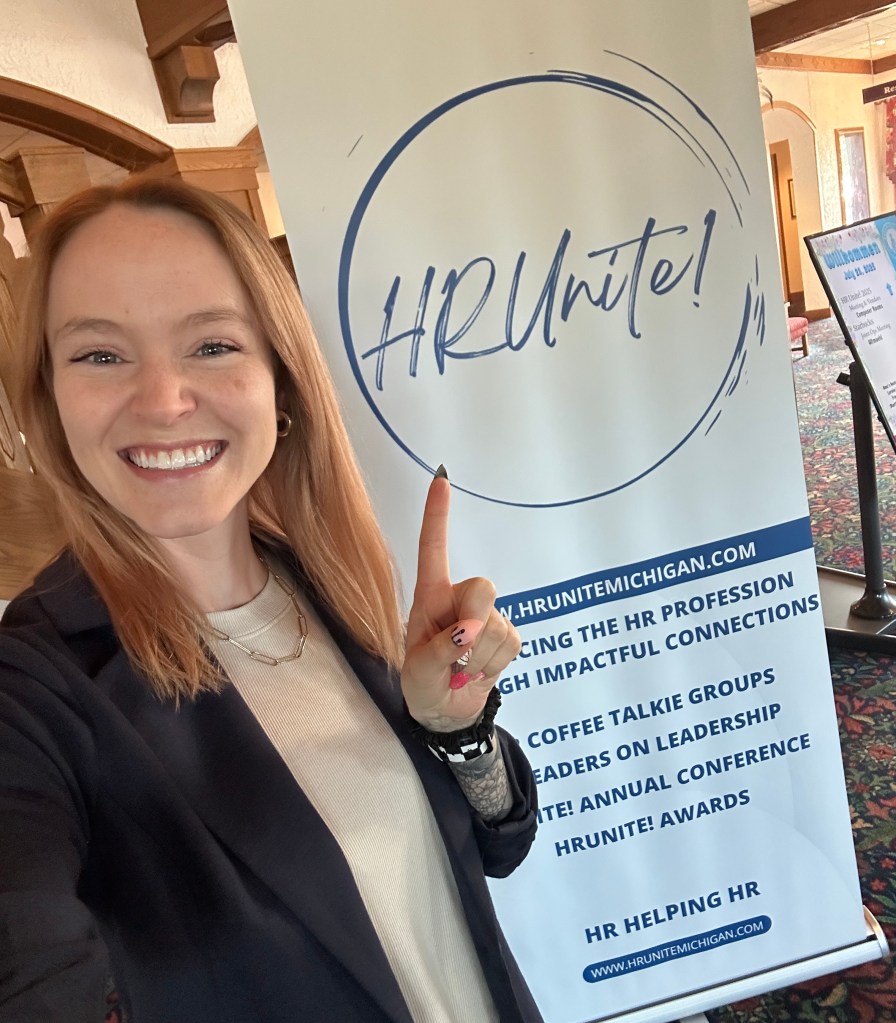
I’m so happy I got to return to HRUnite! for year 2! The HRUnite! conference in Frankenmuth Michigan brings together HR professionals at all levels and specialties to provide opportunities to connect and build powerful professional relationships with others in the #HRCommunity. It is an outlet for those trying to enter the profession, advance their careers and surround themselves in a judgement free and supportive community with a purpose to share knowledge, resources, ideas and professional development opportunities in a non-sales solicitation environment. I love HRUnite! for a few reasons – it’s an easy drive from my home in Buffalo, it’s a small size, around 150 people, and the vendors attend the conference! They truly like to get to know the attendees and learn from the sessions – they aren’t just there to sell which is really refreshing. (Here’s my wrap up post from year 1 if you’re curious!)
I love to share the main take-a-ways from the sessions I attended. It refreshes the concepts in my brain now that I’ve had a month or so to reflect and digest the material since the conference. I also love to introduce my network to the speakers and resources – I hope you find someone new to follow below on LinkedIn and learn from their work!

Session Learnings
The session kicked off with Greg Schwem, who was hilarious. Greg is a storyteller, comedian, and event emcee. My main takeaways from Greg were:
- People don’t trust each other because they don’t know each other. At work, people need to get to know one another in order to trust each other. Spending time with your team is good. Having them spend time with each other is good. Whether you’re remote or in person, plan those intentional team building meet ups. When a teammate needs to take a vacation, or be off to attend to a personal matter, their team mate is more likely to step in and be willing to cover, than complain about the extra work or assume the other person is slacking. I’m grateful to currently work for a dedicated talent acquisition team. It shows in our numbers, during our weekly team meetings to catch up and solve problems, and the 1 on 1s we have to run things by each other, brainstorm, encourage each other, and sometimes just vent. Putting the time in to get to know each other in and outside of work can improve that trust and lead to stronger working relationships.
- Don’t let the naysayer minority impact my actions and my next move. Not everyone has to like me. I have to know that and be okay with it. It’s my life. This is something I’ve made a lot of peace with over the past couple of years. Always do what feels good and authentic to you! Communicate and behave in a way that represents yourself well. That’s how you sleep peacefully at night, build your personal brand and build your credibility/reputation. We are all different. I am definitely a people pleaser, and for a long time took any feedback very personally, or had a hard time saying no. I’ve made a lot of progress with this over the past couple of years personally and professionally – protecting my time and energy and doing what is best for me and my goals. Take one little action today that helps you feel like you have control over your time, energy, mood, resources, whatever it may be. That small boost of empowerment helps me take action towards my goals and next moves!
The next speaker I saw was Erich Kurschat. I always love to hear Erich speak! He brings a thoughtful approach and tactical tips you can try and implement right away which is always so helpful. His session was on building meaningful connection. I resonated with this so much because Erich and I do a lot of similar activities on LinkedIn to build up our communities and our network. What’s cool though – is that we do it in a slightly different way – which makes sense. We are different people with different personalities and voices. We all are! But he shared some staples that will really help you build connection personally and professionally, which is so rewarding both personally and for your long term career growth. (Remember, opportunities come through people – they don’t just fall out of the sky!) My favorite three points he shared were:
- To build meaningful connection, first start with what we have in common. Build rapport. It’s much easier to dive into technical HR, goals, or whatever else it may be after establishing something in common. Erich had us speak with the other attendees at our table to find something in common. Not only was this fun, of course it helps me remember that person better when I see them again in the future!
- What does meaningful connection mean to me? Erich posed this question to the audience. I wrote down that a meaningful connection is where both sides feel good about the interaction or connection. I also wrote that a meaningful connection to me means I am in service of / supporting the other person I am speaking to.
- Erich shared a quote from Gallup that one meaningful conversation per week is more important than any leadership activity. Check out the full article here.
Next, I heard from Sandy Harvey. Sandy talked about having courageous conversations. To have a courageous conversation with someone, you first have to have trust with them. You build trust by demonstrating character, ability and strength. I have been keeping this in mind since I heard Sandy speak. When an opportunity comes up with a hiring manager or anyone else I interact with at work to build trust, I think about character, ability and strength. Every interaction at work is an opportunity to build trust with someone. When the time comes to have a courageous conversation, we first must recognize that the conversation needs to take place. How can anyone be better if they don’t get feedback and we don’t disrupt those behaviors as they happen? As HR Leaders, we have a responsibility to recognize when a courageous conversation is needed, and thoughtfully plan on how we are going to approach it. Sandy encouraged us to think about what is the goal and outcome for the conversation. Think about how I am going to get my point across. Ensure you have written down the main points that must be shared. Think about that person’s communication style and how they have interacted with you before. How may they likely respond? What type of communication style, tone, etc will help what you need to share be received? Thank you Sandy for walking us through this. I think about the times where I am having an intake or debrief meeting with a hiring manager and they mention something about a candidate that is biased. I am now comfortable approaching that in the moment. Being curious, listening, seeing what they really meant. Then if needed, providing coaching on how we actually will be handling the interview process, etc.

Shawn Lee always brings the heat! His energy is unmatched. Here’s what I wrote down from Shawn’s session:
- Start meetings with appreciation. Which got me thinking about what I can do to strength my current talent acquisition team’s culture.
- Keep an open door aura, so people feel like they can come to you. An open door aura, not an open door policy. I loved that! Part of my current role is correcting data errors that happen within our ATS System. Sometimes team members have to reach out to me over and over about something that went wrong. I know personally, I don’t always enjoy having to do that. However by keeping my open door aura, I ensure folks keep letting me know when something went wrong and how we can fix it going forward.
- A riot is the language of the unheard.
Tay Lee spoke about being mentally and emotionally healthy. I needed this one. She brought some great information and ways you can take care of yourself! A lot of my notes I interpreted to make the most sense to me, so please don’t take the below as her specific teachings.
- Move and groove to a new environment / change of scenery. When I’m not feeling well, or I’m feeling frustrated, it helps to not stay in the same spot. I actually wrote about this years ago in my Mental Health Toolkit. When feeling stuck, it helps to get up and do something. I either move rooms, take a walk, or just get up a move/do 1 productive thing such as fold a blanket or put something back where it belongs. Disrupting negative thoughts by moving around is helpful to me.
- She asked us – what is blocking you? I wrote down: habits, routine and lack of sleep. Without proper sleep I do not feel motivated, focused or creative. I wrote down that when I follow my morning routine, which is an hour to myself in the morning with my journal and planner, I set the tone for the day. I come up with my best ideas which then excites me and motivates me for the day. During this morning session, I love to either map out or start a blog post, send a couple connection requests I’ve been meaning to send on LinkedIn, invite someone in the local HR community to join me at an upcoming BNHRA event, or just start a task or project I’ve been putting off. Even if it’s one small task, just starting it is an act of self care and gives me that boost of motivation and feeling productive to start the day. I carry this energy with me throughout the rest of the day. I recently saw a post on Instagram that said, show me your habits and I’ll show you why you don’t have the life style you want. When I stray from my good habits and routines, I don’t feel healthy and like I’m taking care of myself.
- Safe words. Safe places. Safe people. Tay encouraged us to identify what these our for ourselves. When you’re not feeling well, where are the safe places you can go that help YOU. It could be your favorite park, it could be your mother’s house, whatever it may be. Safe people. Identify a few people in your life that are your safe people and let them know that. Ask if they have capacity to be your safe person. She shared a story about being in a bad place and making a call to her safe person and that helped her get through that moment. I haven’t done it yet, but I want to identify my safe words I can say to myself, my safe places and safe people.
Of course I had to attend my best friend Paul LaLonde‘s session on training and development. Paul shares how he built CEDA University, his organization’s training and development program. The program focuses on people leaders and middle management, as these roles hold a lot of responsibility in the organization when it comes to employee engagement and retention (whether they know it or not!)
- The best leaders prepare their teams to move on. I love that Paul started with this. I’ve had so many great bosses and leaders in my life who have allowed me to keep taking on bigger and better opportunities. Because of this experience, once I became a people manager, it was natural that I had this mindset. I saw first hand how having good leaders enabled me to learn, grow and thrive, and I wanted to be that leader to the people I got to influence as well. I take it very seriously when I get to be a steward of someone’s career. Someone’s goals and their career development become one of my goals as a leader as well. Our experience at work leads to our success and well being in life. I enjoy being a good coach and helping people succeed at work and in life.
- Leaders help people develop the skills to solve problems and make good decisions. This statement lead Paul and CEDA to design their manager training program around enabling people leaders both new and experienced to gain soft skills to help their team mates be better problem solvers and decision makers. This allows for stronger teams, less need for micro managing, more empowerment, and better experiences for CEDA’s customers.
- 5 characteristics of enhanced teams are structure and clarity, meaning, impact, dependability, and psychological safety.
- Start planting seeds TODAY. The best day to start learning and making things better is today. Help your employees, especially your people leaders with developing the skills they need to make them great leaders. Some of the well-liked and impactful sessions of the program Paul built were time management and having difficult conversations. Imaging how much more confident and empowered those people leaders felt with their new skills after those sessions and how that trickled down to impact all employees.
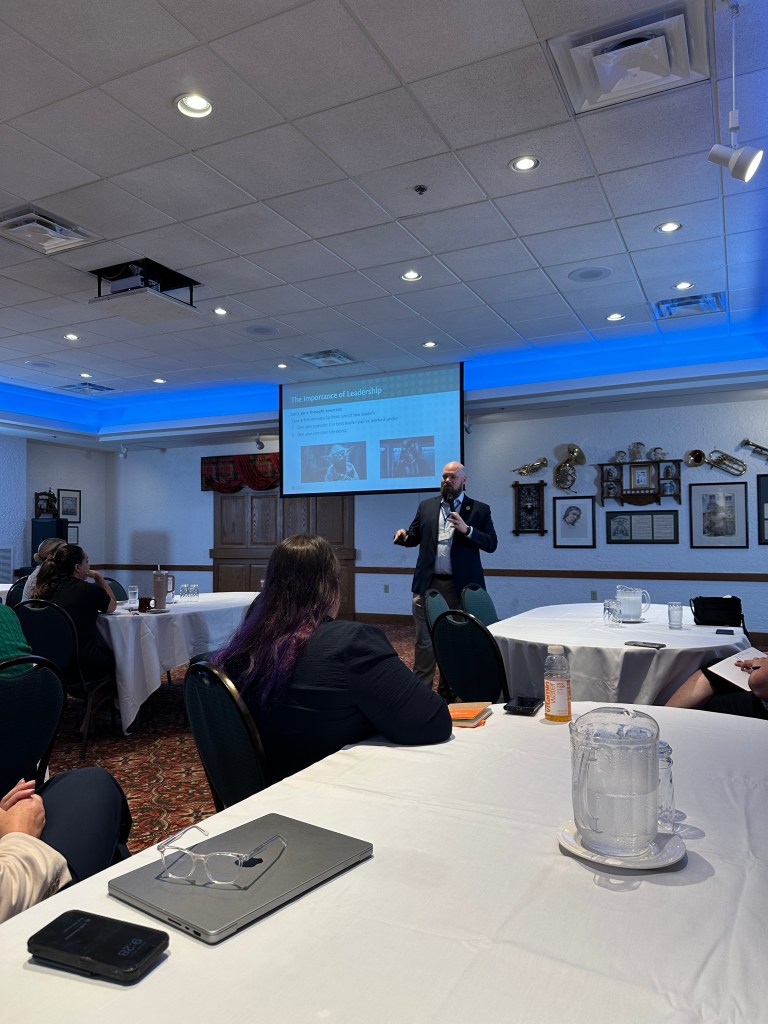
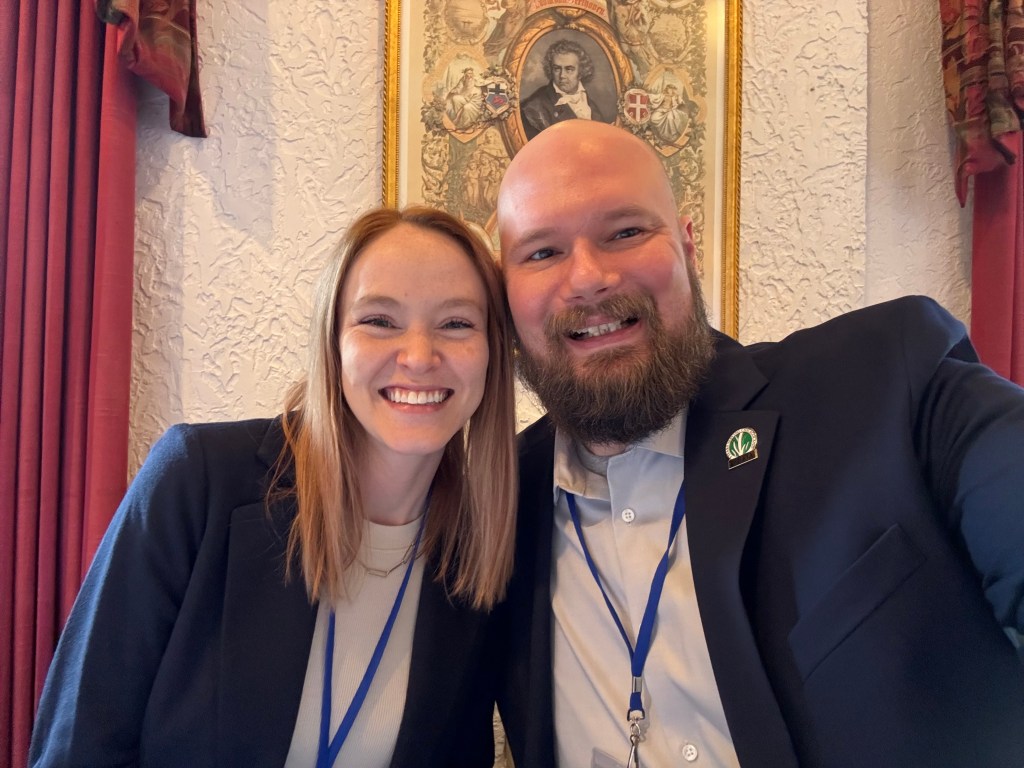
I always learn from Amanda Brunson on how to be a successful HR Business Partner. My top 3 take-a-ways from Amanda’s session were:
- To be a successful HR Business Partner, you have to be adaptable to change. You will never move from a tactical to a strategic HR role if you are not adaptable to change. If you don’t like change, work on your mindset and approach to that NOW if you want to move ahead with your career.
- Successful HR Business Partners drive innovation. Speak up, share an idea, drive change. You don’t just throw out ideas or complain if you are not willing to implement and be part of the solution.
- Successful HR Business Partners influence through insights. Bring experience, anecdotes, data. She gave examples about what helps and hurts candidate experience and what manager behaviors help move the recruiting process quickly and efficiency.
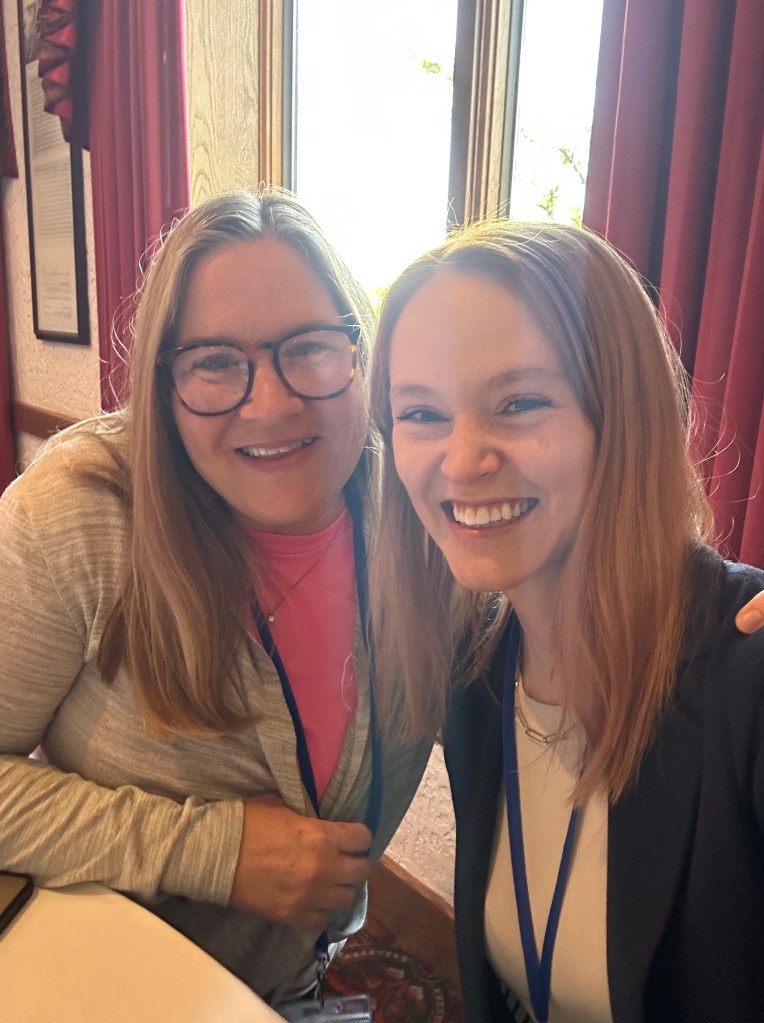
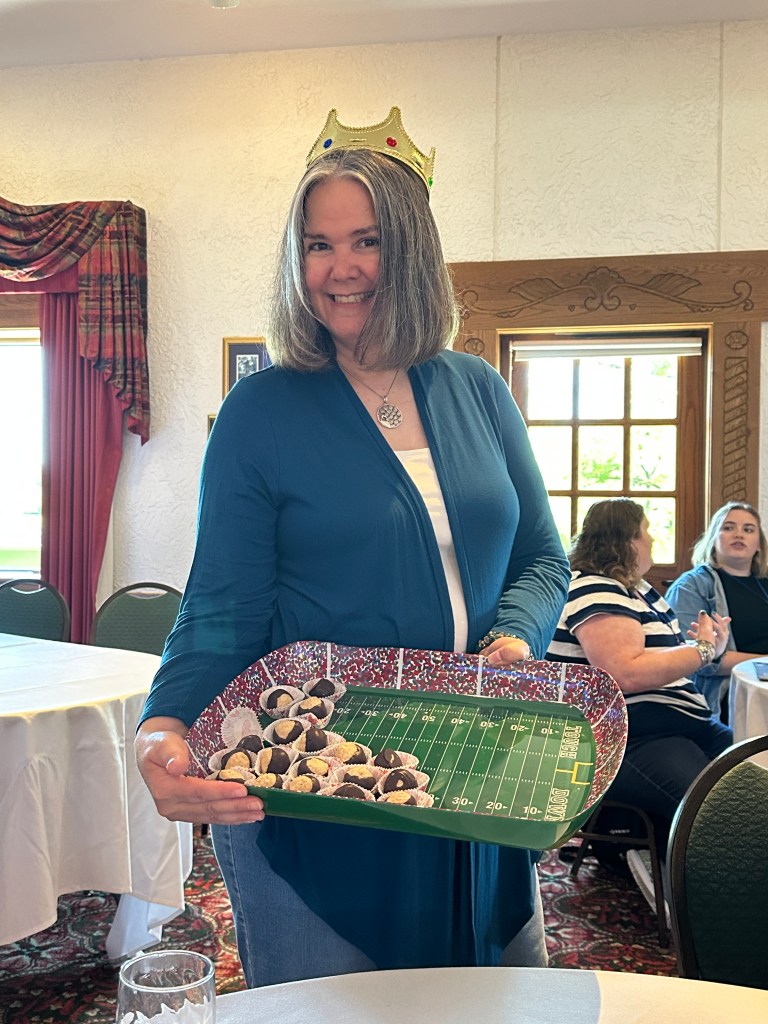
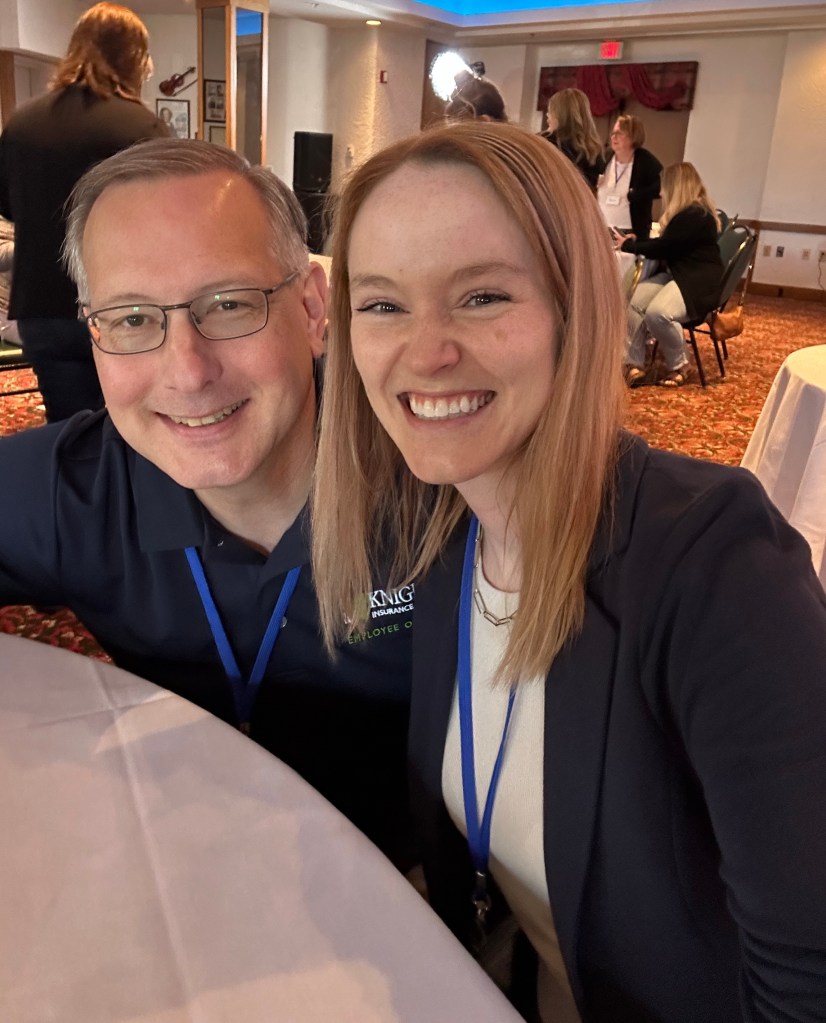

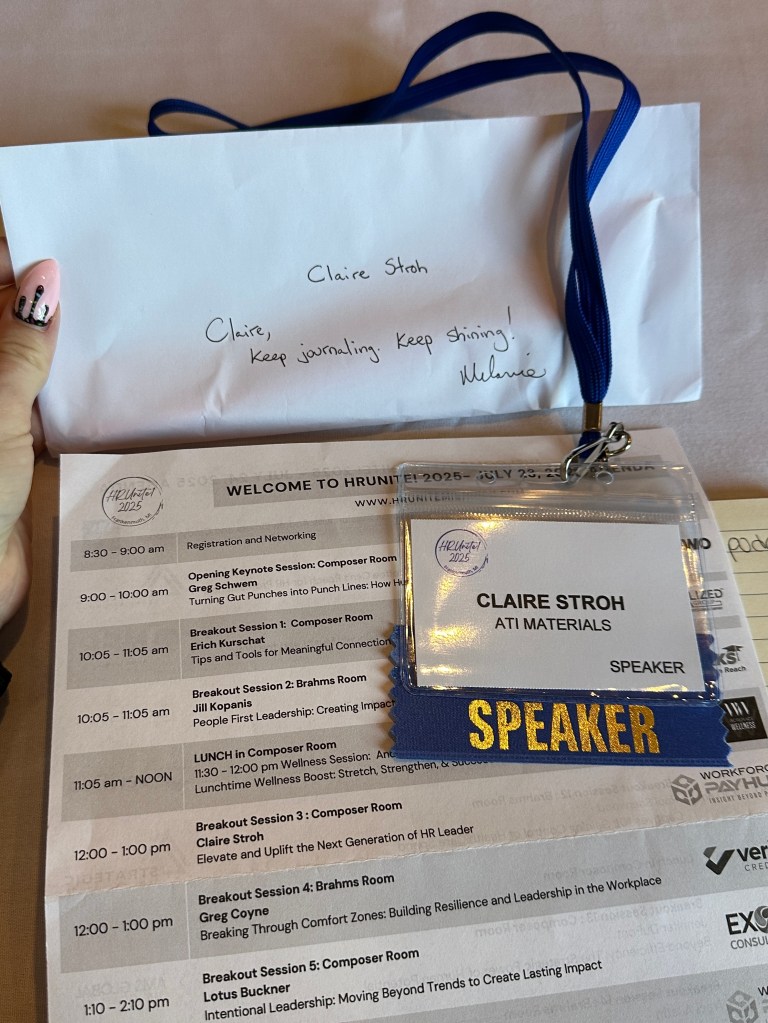
Last but not least, I was so grateful to present at the conference! And thank you to Workforce Pay Hub who sponsored my session. I love to cover starting your HR career, advancing in your career, using LinkedIn, networking, and professional development!

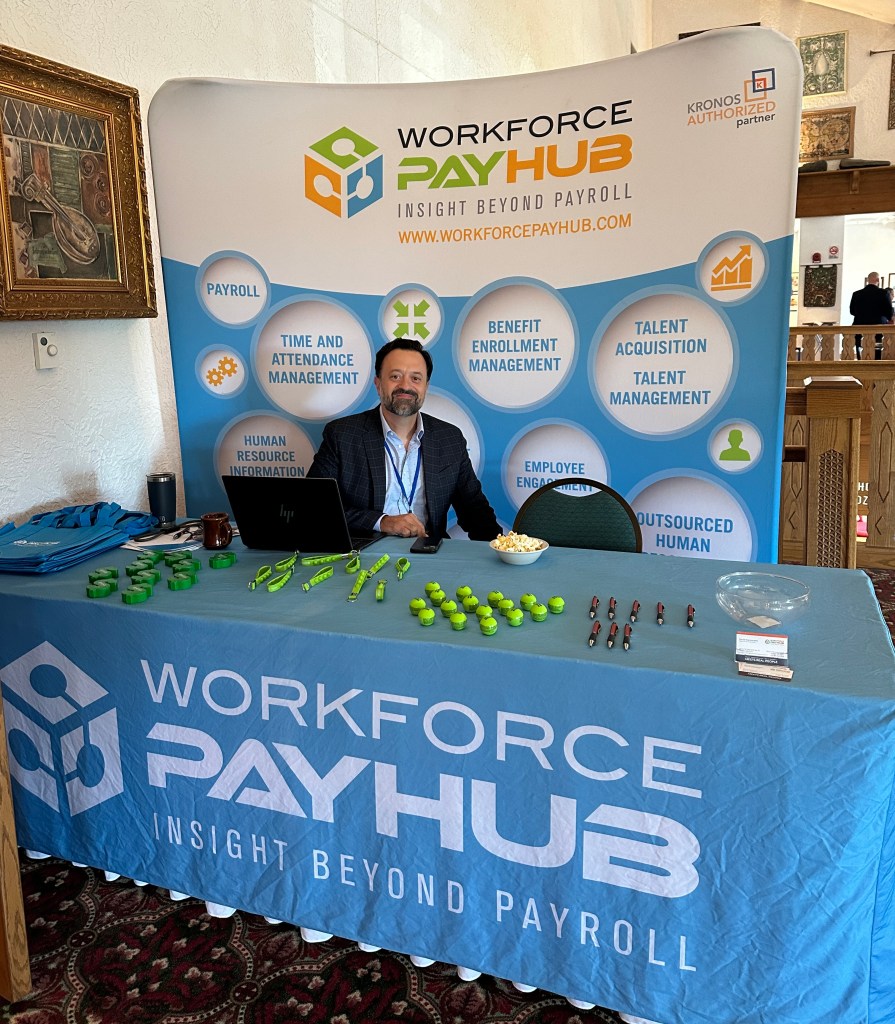
Thank you Tina-Marie and the HRUnite! Team who made this possible. It was great to unplug from work for 2 days and connect with the HR Community, learn new things, reflect, and think differently. Most importantly, putting what I’ve learned into action to positively impact my life personally and professionally. If you have any questions about this conference and attending in the future, send me a message! See you next time!
 Claire is Coaching