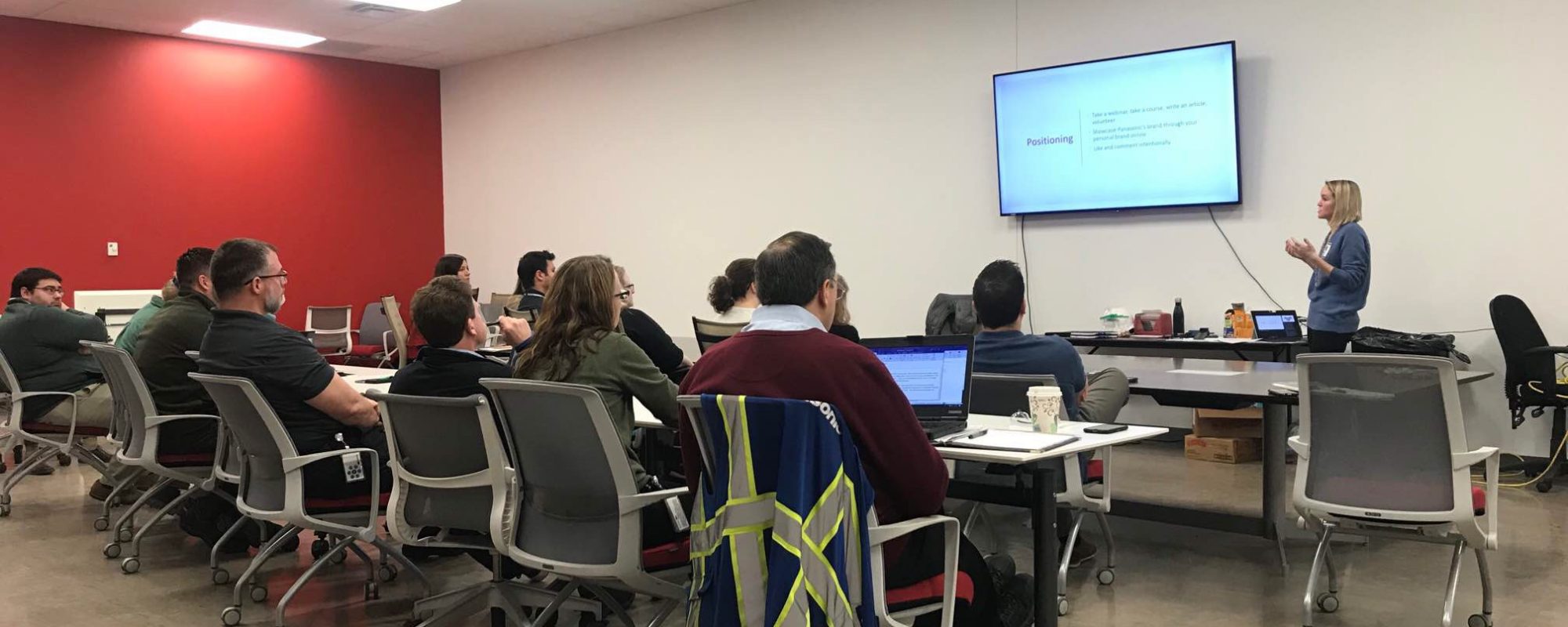
One of my signature presentations and topics I love to speak on is “Elevate and Uplift the Next Generation of HR Leaders.” I talk about differentiating yourself in the HR job market, successfully starting your first/new HR role, gaining credibility and getting ready to move up. My slide on starting your HR role is one of my favorites! I speak to the following 7 points. I decided to turn this slide into a detailed blog to share with my HR network. I hope this is helpful! (:
- Take the time to learn the business.
- HR enables businesses to be great and we do so by being strategic partners and delivering on what the business really needs, not just doing the HR tasks we know and think we are supposed to do. HR exists to help the business meet its objectives. That’s it! Before setting your own goals/projects/etc in HR, be sure you understand the business goals and the business plan, so you can draw lines between the two.
- Spend a lot of time with your HR team.
- If you have one! Your HR boss, peers/specialists in other HR areas such as compliance or compensation. Be a sponge and learn how the HR practices and systems in the organization work.
- If you don’t have an HR team, or you are an HR DOO (department of one) find community and resources ASAP! Local SHRM chapter, PeoplePeople Slack channel, HRHotSeat, HR Rebels, so many options! Of course you may want to find community to learn from even if you have an HR team.
- Don’t let the to do list bog you down.
- It’s easy to get overwhelmed quickly as you are learning and lose sight of prioritizing. When I first started in my career, I used a lot of notebooks. I realized quickly as pages would turn I may lose sight of things. Turning to digital tools has been a game changer. As each new “to do” comes in, I add it to a master intake list in Microsoft To Do. I throw everything in there so that I don’t forget or lose track of anything. Then, prioritize based on due date/time sensitivity or priority/high impact. You can make sub lists within To Do, assign due dates and reminders. Each day, I work from To Do so I always KNOW what my goals and priorities are for the day. Of course work/life happens and things come up that may derail the daily plan. If you aren’t sure what organization or tracking tools are available to you, ask your IT department!
- Get the lay of the land with current tools, systems, and vendors.
- Learn a ton about how HR is delivered to the organization. Map it out for yourself if a process map doesn’t currently exist in the organization. From recruitment, to engagement, retention, and to when someone exits the org, figure out what the processes, policies and tech/tools are to assist with each step in the employee lifecycle. Especially if you are a new/emerging HR professional, you will learn a TON by doing this and see tools and learn about vendor companies you didn’t know existed!
- Get organized and track successes.
- It’s always been helpful in my career to track my learnings, new skills gained, wins, accomplishments and successes. I hate getting to the annual performance review and having to try to remember what to write about myself. I’m aiming for that raise or promotion, so I want to be as specific as possible! Or, if my manager asks me on a random day what’s been going well or what I’ve been working on, I’m not scrambling to think of an answer. So right when I start a new role, I start either a new Trello board (free) or Microsoft Planner board. I make the appropriate columns for my role, and then add my learnings, skills, successes to the board as they happen! It’s so cool to look back on and celebrate all I’ve done. I don’t think we pause to celebrate enough. The days can all blend together and because we are always on to the next thing, sometimes we don’t pause and celebrate or reflect on all that has happened.
- Listen and don’t assume anything.
- Don’t do something because you assume it should be done that way. Especially if you are a new/emerging HR professional, be proactive and ask a lot of questions. Your questions are not silly. You are not a burden by asking them, so ask them! Well, they may be silly if you didn’t do any research or thinking on the topic first, so make sure to do some due diligence. But if you are still unsure, have a question or don’t want to assume, ASK!
- Remember people are the MOST IMPORTANT.
- I was able to differentiate myself at work when I started a new role by focusing on people first always. When I was added to new meeting invites, I took the time to look up the other people on the invite on LinkedIn or in the internal HRIS system/Outlook directory. I wanted to know their roles, how long they had been with the company, etc. This way I could make warmer intros and start conversation when I got to the meeting. I always smiled and said hello to the people I passed in the hallway. I always introduced myself to someone else at the lunch table if they didn’t do it first. Being people first (you’re never too busy for people if you’re in HR) helped me get acclimated to the organization faster, and helped me gain a ton of credibility. Why would employees come to you in HR with feedback, questions or concerns if you’ve never said hi to them or started conversation?
I hope this was helpful or served as a good reminder for you. Practicing these 7 points have helped me hit the ground running successfully in my new HR role!
 Claire is Coaching