You can view this post in video format on a #LiveWithLighthouse episode on YouTube here!
LinkedIn shared a great post here on their Talent Blog about the benefits of mentoring and how it helps the company’s bottom line.
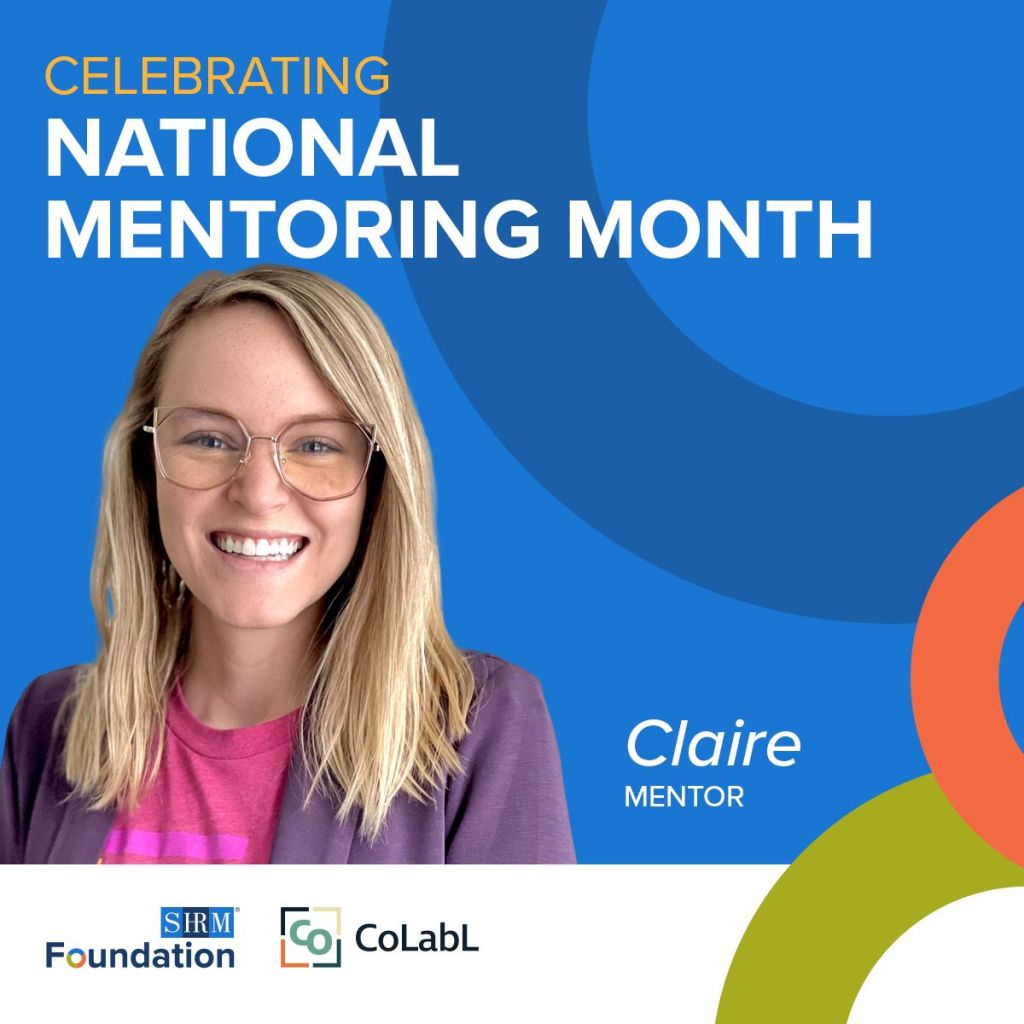
I was honored to be featured by the SHRM Foundation for National Mentoring Month! (Here is the full post with the feature.) I’ve really enjoyed being a mentor in the SHRM Foundation program for the past 4 years. As a mentor, I’ve met so many energized and engaged HR students and emerging professionals from across the country eager to learn and advance their careers. How awesome is it that SHRM takes the time to design and put on the mentoring program, and match mentees with someone who can help with their career goals. It’s so fun and rewarding for both sides. I look forward to continuing to be a mentor in the program. I feel the mentoring program is worth the cost of SHRM membership alone, and of course there are so many other features and benefits you get with a membership. Check out more information on getting involved with their mentoring programs here.
A colleague of mine at Lighthouse Technology Services saw the feature and suggested we do one of our #LiveWithLighthouse video episodes on mentoring and mentorship programs. I was immediately in! After filming the video, I decided to put the notes I used for it here in this post. I hope it helps you consider a new retention option for your workforce. There are some great mentoring program options out there – something you can build within your organization, and through external professional organizations such as SHRM!
We first started off with talking about how a mentoring program can support talent retention. The first piece of course employee engagement. Speaking from my personal experience, I always felt it was a worth while benefit when the organization I worked for had a mentoring program. In two of the places I worked, I got to help with building and rolling out the first mentoring program at the company, which was really rewarding! This showed me as an employee that the company leadership cared about learning, development, and internal networking throughout the company. Mentoring programs facilitate internal networking which helps strengthen connections within the organization that can improve how work gets done. Another benefit of a mentoring program is that it offers employees face time with senior leadership or executives. When putting in place a mentoring program at my company, we (HR/the program creation committee) made sure leadership was bought in, engaged, had their questions answered and were ready to participate. Mentoring cohorts ran 3-6 months. At any time given the cohort time frame, at least half the executives had to be involved in the program – either as a mentor or mentee! I learned a ton from one of the General Managers that I got to meet with over 3 months. He shared a lot of his leadership stories and experiences, shared more insight on working at the company since he had been there much longer than me, and shared book/podcast recommendations. It definitely helped me feel more connected to the company and supported.
Speaking of having senior leadership and executives involved, I mentioned them participating in the program either as mentor or mentee. Don’t forget about the power of reverse mentoring! Everyone can learn from each other no matter their age or level of experience. Think along the lines of networking tips, public speaking, organization, time management, brainstorming for company improvements, etc. This also helped with employee engagement and retention because more junior staff was excited to share their experiences to help others in the company as well. Both mentors and mentees were open minded of what they would share and learn from each other. Standing up a mentoring program in your organization is typically just an investment of time. It can make a huge impact, without needing a huge budget. I was involved from an HR perspective, and then we had about 5 others on the program creation committee including our CHRO, another C Suite executive, and a few other folks who had some forward to share they were passionate about the cause and wanted to be involved. Together we met to design the program, create materials, and get the first cohort launched! So next, let’s get into the components of what a successful program can look like.
I love building program infrastructure. I think it’s so much fun to think through all of the pieces needed for a project and make them, schedule them out, communicate it out, answer employee questions/receive feedback and adjust as needed. As long as you’re sincere, thorough and thoughtful, the program really can’t go wrong. Of course you can keep improving each iteration of the cohort.
- Decide who the program is for and isn’t for. Maybe you want to start off with just certain roles or levels within the organization. You may decide you want to have different learning and networking experiences for your corporate exempt roles vs. manufacturing hourly roles for example.
- Decide on a time frame for the cohort to run. The SHRM Foundation does 3 month cohorts. The organizations I’ve worked for have done 6 month cohorts. Depending on your business and how you build out the mentoring program, a number of timeframes can work. During the 6 months, we had mentors and mentees meet once per month. They could agree to meet twice monthly if they would like to and work schedules allowed, but once per month seemed to work well for most!
- Create a way for employees to express interest in the program such as using Microsoft Forms or Survey Monkey. In addition to basic details such as name, company location, roles, etc, ask some questions on why they are interested in being a mentor/mentee and what they want to learn. This will help the committee when making the matches. (Remember having folks express interest in being involved is good. Be mindful about calling it an application. To some folks, an application feels overwhelming or non-inclusive, so they rule themselves out before evening expressing interest. As an HR Pro, I’d rather folks express interest – again they’re within our defined population for the program – and have to meet with them to discuss why now isn’t a good time. Perhaps there are attendance, performance or behavior issues. These conversations have gone well for the most part, and people understand why they can’t participate if they have an active counseling on file. I have found that it can be motivating for the employee to improve in certain areas, knowing they can get involved in company programs after showing that improvement.)
- I created mentor and mentee toolkits for each role so when they joined and got their match, they had a welcome packet so to speak! This toolkit had expectations of both sides, what being a good mentor or mentee looked like, starter ice breaker questions, scheduling recommendations, and who to reach out to if further support is needed or if any concerns come up throughout the program. When it came to scheduling, we encouraged participants to keep business needs front and center. Your business may have a busy season or certain client deadlines, and programs like this should be flexible to work around that.
- Throughout the 6 months, committee members checked in with participants to get some pulse feedback, and at the end of the 6 months we did a survey so we could learn from it and make any tweaks before relaunching the expression of interest process. In the survey, of course we got both good feedback, and areas for improvement and then met as a committee to discuss and implement the findings.
- Don’t forget to share the wins! We could tell throughout the program, and from the end of cohort survey, who was really engaged and had a good experience. We asked if we could take their picture, write a blurb or get a quote from them to feature both externally and internally. People really liked getting featured as a spotlight and were proud to promote it. We shared these features and wins on the company intranet, bulletin boards and during town hall meetings. We also shared on our company social media, which helped with attracting new talent to the organization.
The programs I was involved with creating were for organizations with 100+ employees. Now working at Lighthouse where we have 15, mentoring is different but it can still exist! If you work in a smaller organization, look for where folks have skills they could share or strengthen, and the best way to harness that! It could be suggesting to someone that you think someone else has a lot to offer in a certain area, and recommend they reach out to them for a 1:1 meeting. It could be conducting a company wide workshop on time management or using internal company technology for example, and ask folks throughout the workshop to share their tips and experiences. I love meeting 1:1 with team members who don’t report to me, so we can offer each other ongoing support. We always end up teaching each other about a new way to help us do our best work. Mentoring can be through a formal program, or done more informally as well through meetings, workshops and information sharing across the company.
I love getting asked, “how did you get started with mentoring?” Honestly my answer to these types of how did you get started questions is almost always I just dove right in lol. It was either something that I knew I could offer value to, so I raised my hand, or someone in my network thought I was a good fit and extended me the opportunity. Either way, say yes! Going back to a point I made above, as long as you are thoughtful, sincere and authentic with how you share information and help others, you really can’t go wrong. If you think you’d like to be a mentor, just get started finding your voice and getting comfortable talking about your career journey and experiences! Think about the pivotal moments and projects that helped you become who you are today. What are some things you learned that you wish your younger self knew earlier? What are some mistakes you made that you could share with others to help them not get into the same situation? You can practice on a friend, someone in a professional community group such as the local SHRM chapter, or on a colleague. Next time you get asked to share some advice, or are ready to raise your hand to participate in a mentoring program, you’ll feel much more confident. Remember that your mentee will be grateful for any information shared if you are putting forth effort and thoughtfulness.
Last but not least, have to give a shoutout to some amazing mentors I’ve had in my career! First is Jaylene Cogswell. Jaylene was my first manager who really believed in me and my potential, and gave me projects to work on that even I thought I wasn’t ready for. She helped me kick start my career confidence and gave me opportunities to lead technical HR/TA systems projects, do manager trainings and lead meetings that I KNOW I wouldn’t have had until much later in my career. She always shared her experiences, guidance, information and inspiration! Next is Holly Nowak. Holly is always a calming presence and has great wisdom to share. I worked with her closely when she was one of the original organizers of DisruptHR Buffalo, and passed the torch to me. She is a great teacher and has always been there for me throughout my career when I’ve had HR questions! Last but not least, our CEO at Lighthouse Technology Services, Randy Harris. Randy is very supportive of professional development, education and mentoring. He carves out dedicated time for our small but mighty team of 15 to goal set together, learn together and attend events together.
Happy mentoring month! If you’re considering implementing a mentoring program in your organization, I can help. Reach out to me and let’s talk (:
 Claire is Coaching